A shipment that arrives late can do more than delay a delivery. It can hold up a construction project, leave an online customer waiting, or disrupt an entire business operation. In Qatar’s fast-moving economy, where goods move between ports, warehouses, businesses, and customers every day, even a small logistics failure can become an expensive problem.
For a construction manager, a delayed equipment delivery can leave workers waiting on-site. For an e-commerce manager, missed delivery windows can lead to cancellations and customer complaints. For a procurement team, poor shipment coordination can create extra storage, transport, and handling costs.
That makes choosing a logistics partner important beyond the shipping quote. The right provider should have the fleet, processes, local expertise, and accountability to keep cargo moving without unnecessary delays or handoffs.
With many logistics providers operating in Qatar, comparing the best logistics company in Qatar can be difficult. A company may promise quick delivery, but what matters is how it handles your shipment after booking. Fleet ownership, documented processes, local knowledge, service coverage, and direct support provide stronger indicators of reliability than marketing claims.
| TL;DR:Get one contract covering warehousing, transportation, e-commerce fulfilment, and relocation, instead of managing separate vendors.Track your shipment from booking to delivery confirmation through documented SOPs, with no subcontracted handoffs.Cut per-delivery cost through an in-house fleet and optimised routes across Qatar.Reach 170+ countries through one Doha-based logistics partner for both local and international shipping. |
| Table of contentsWhy Logistics Services Are Essential in Qatar Key Features of the Best Logistics Company in Qatar Logistics Services Offered Benefits of Choosing a Professional Logistics Company Why Inhand Logistics is the best logistics company in qatar? Final takeawayFrequently asked questions |
Why Logistics Services Are Essential in Qatar
Qatar’s economy depends heavily on trade, construction, retail, and international movement of goods. Every import, business delivery, warehouse transfer, and online order depends on several logistics activities working together.
When one part fails, the impact can spread quickly. A delayed inbound shipment may affect production schedules, while a missed last-mile delivery can create customer complaints and additional delivery costs.
The numbers show why logistics still matters. Qatar’s freight and logistics market is valued at USD 10.7 billion in 2026 and is projected to reach USD 13.98 billion by 2031, growing at a 5.5% CAGR, according to Mordor Intelligence’s market analysis.
Qatar’s logistics and free zones sector has also grown past QR7.5 billion, supported by continued investment in Hamad Port, Hamad International Airport, and specialised logistics zones under Qatar National Vision 2030, according to The Peninsula Qatar’s report.
As the market expands, businesses have more providers to choose from. The challenge is determining which companies actually control the parts of the logistics process that affect delivery performance.
For example, a procurement manager importing equipment needs to know who handles the shipment after it reaches Qatar. An e-commerce business needs reliable inventory and last-mile coordination. A construction company may need scheduled transportation that matches site requirements rather than standard delivery windows.
Key Features of the Best Logistics Company in Qatar
A reliable full-service provider should be able to demonstrate how its operation works, rather than relying only on claims about speed or service quality.
These are the features businesses should check before signing a logistics contract:
- In-house fleet, not subcontracted vehicles: Direct fleet control gives the provider greater responsibility for vehicle availability, scheduling, and delivery performance.
- Documented SOPs at every stage: Booking, loading, transit, delivery confirmation, and issue handling should follow defined procedures.
- Local regulatory knowledge: A provider should understand Qatar’s customs, transport, road, and documentation requirements and keep its procedures aligned with applicable rules.
- Single-contract coverage: Having transportation, storage, fulfilment, and related services under one provider can reduce coordination between separate vendors.
- Direct account access: A named contact who understands the account can make it easier to resolve delays, changes, and delivery issues.
- Shipment visibility: Customers should know how booking information, delivery updates, proof of delivery, and exceptions are communicated.
- Capacity for changing demand: The provider should be able to handle increased volumes during seasonal campaigns, project peaks, or business expansion.
Before selecting a provider, ask a simple question: Who is accountable when something goes wrong? If the answer changes depending on whether the problem involves transport, storage, fulfilment, or delivery, the business may be dealing with several operational handoffs.
Logistics Services Offered
Businesses in Qatar typically need a combination of logistics services rather than transportation alone. Understanding what each service covers makes it easier to match a provider to operational requirements.
- Warehousing & Storage
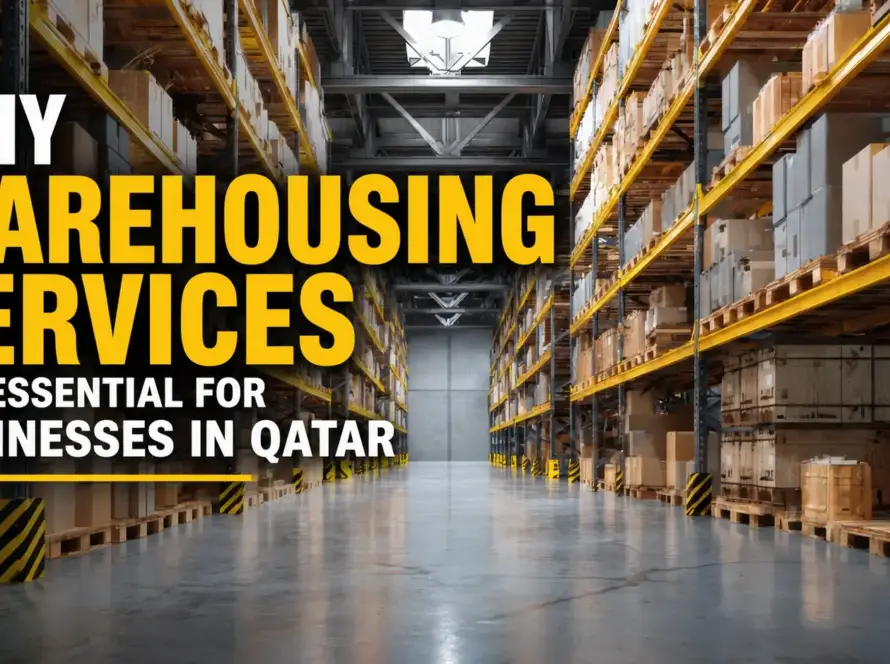
Short-term and long-term storage allows businesses to hold commercial or personal cargo before distribution. Good warehouse operations should cover receiving, inventory recording, storage, order preparation, and dispatch.
For an e-commerce manager, accurate inventory records are especially important. If the warehouse system shows ten products while only seven are physically available, customers can place orders that cannot be fulfilled.
A construction supplier may have a different requirement. Materials may need to remain in storage until a project reaches a particular stage, making accurate intake records and organised retrieval essential.
- Transportation & Last-Mile Delivery
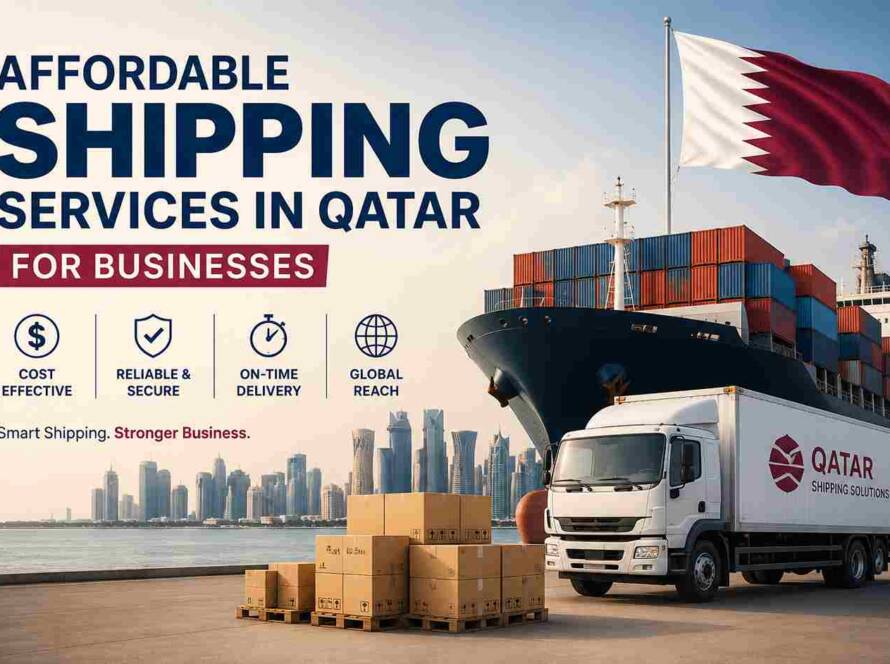
Transportation connects suppliers, warehouses, businesses, construction sites, and customers. Depending on the shipment, this can include scheduled commercial transportation, staff or school transport, last-mile delivery, and specialised cargo movement.
Last-mile performance is particularly important for online retailers. A customer may accept a longer overall delivery time if it is communicated clearly, but an unexplained missed delivery creates additional support work and can damage customer trust.
Refrigerated cargo adds another operational requirement. Temperature-sensitive goods need suitable vehicles, monitoring procedures, and trained handlers to reduce the risk of spoilage during transit.
- E-commerce Fulfilment
E-commerce fulfilment covers activities such as order processing, inventory management, picking, packing, dispatch, and returns handling.
Consider an online retailer receiving 500 orders during a promotional campaign. If its warehouse can process only 200 orders a day, the backlog quickly affects promised delivery dates and customer service workloads.
A fulfilment provider with suitable storage and processing capacity can help the retailer handle volume increases without building an entirely separate warehouse operation.
- Movers & Relocation
Home, office, and international relocation require careful handling of furniture, electronics, documents, equipment, and fragile items.
An office relocation can be particularly sensitive because employees may need their workstations and IT equipment ready immediately after the move. Poor labelling or incomplete inventory records can turn a one-day move into several days of disruption.
A structured relocation process should therefore cover packing, inventory, transportation, unloading, placement, and documentation.
Benefits of Choosing a Professional Logistics Company
Outsourcing logistics can affect more than transportation expenses. It can also reduce the operational work required to coordinate several suppliers and manage delivery problems.
- Lower per-delivery cost: Shared fleet infrastructure and planned routes can reduce the cost associated with arranging individual deliveries.
- Fewer missed deliveries: Defined booking, dispatch, and confirmation procedures create more control over the delivery process.
- Reduced vendor complexity: One provider can coordinate transportation, storage, fulfilment, and related services instead of requiring separate supplier management.
- Faster issue resolution: A dedicated account contact gives businesses a direct route for handling delivery changes and operational problems.
- Scalability during peak demand: Established providers can increase transportation or fulfilment capacity when order volumes rise.
- Better operational visibility: Consistent documentation makes it easier to identify where a shipment is and what action is required.
- Lower internal workload: Employees spend less time coordinating drivers, warehouse teams, delivery schedules, and separate service providers.
The value becomes clearer when viewed through specific business situations. A retailer preparing for a seasonal sales campaign needs additional fulfilment capacity. A construction company needs scheduled material movement that matches site activity. An importer needs dependable coordination between international freight and local delivery.
In each case, the logistics provider should reduce operational friction rather than create another layer of coordination.
Why InHand Logistics Is the Best Logistics Company in Qatar
InHand Logistics provides warehousing, transportation, e-commerce fulfilment, and relocation services under one contract, supported by an in-house fleet and zero subcontracting.
That structure gives businesses one provider to coordinate across multiple logistics requirements. A company moving into a new office, for example, can arrange relocation and transportation without separately coordinating several vendors for the same project.
The company follows documented SOPs from booking through delivery confirmation. This creates a defined process for handling shipments and gives customers a clearer understanding of what happens at each stage.
InHand Logistics also brings local knowledge of Qatar’s roads, customs processes, and regulatory requirements across Doha and the surrounding region. For businesses handling international shipments, its global network covers more than 170 countries.
This combination can be useful for businesses that need both domestic logistics and international movement without managing separate providers.
For businesses evaluating the best transportation service in Qatar, the same criteria remain important: fleet ownership, documented processes, service coverage, and clear accountability.
Final Thoughts
Reliable logistics protects more than delivery schedules. It helps businesses avoid preventable delays, reduce coordination work, and keep customers, employees, suppliers, and project teams on schedule.
When comparing best logistics company in Qatar, look beyond the quoted shipping rate. Check who owns the vehicles, who handles storage, how deliveries are documented, how issues are escalated, and whether the provider can support your requirements as volumes change.
InHand Logistics brings warehousing, transportation, e-commerce fulfilment, and relocation services together under one provider, giving businesses a single point of contact for their logistics requirements.
Contact InHand Logistics today for a customised logistics quote.
FAQ
- Which logistics provider is best for businesses in Qatar?
A reliable logistics provider should offer fleet control, documented processes, local expertise, and clear accountability. Businesses should also check whether transportation, warehousing, fulfilment, and delivery can be coordinated through one provider.
- What logistics services are available in Qatar?
Logistics providers in Qatar can offer transportation, warehousing, fulfilment, relocation, freight forwarding, and related delivery services. The exact service range varies between providers. Businesses should confirm which services are handled directly and which are subcontracted.
- How much does shipping cost in Qatar?
Shipping costs in Qatar depend on factors such as cargo type, weight, distance, volume, handling requirements, and delivery speed. International shipments can also involve freight, customs, documentation, and handling charges.
- Do logistics companies in Qatar offer international shipping?
Many established logistics companies in Qatar support international freight alongside domestic logistics services. International shipments can involve several stages, including origin handling, freight movement, customs procedures, and final delivery.
- How can I track a shipment in Qatar?
Shipment tracking depends on the logistics provider’s communication and documentation process. Ask how the provider shares booking confirmations, transit updates, delivery status, and proof of delivery. Some businesses may require more frequent updates because of project deadlines or customer delivery commitments.
- What should I check before choosing a logistics company in Qatar?
Businesses should check fleet ownership, service coverage, operating procedures, local knowledge, accountability, and shipment visibility before selecting a provider. It is also important to confirm who handles storage, transportation, fulfilment, and last-mile delivery.
- What is the difference between a logistics company and a freight forwarder?
A logistics company can manage a wider range of activities, while a freight forwarder primarily coordinates the movement of shipments between locations. A logistics provider may also offer warehousing, local transportation, fulfilment, and last-mile delivery.
- Why is an in-house fleet important for logistics services?
An in-house fleet can give a logistics provider greater control over vehicle availability, scheduling, and delivery operations. It can also make accountability clearer when a delivery is delayed or a schedule changes. Businesses should still evaluate vehicle capacity, maintenance procedures, driver management, and service coverage.